Looking for a comprehensive guide of what to pack on an African safari? Well, check out our extensive guide and list of insider tips that will help you pack the right amount for charter flights, avoid mosquitos and stay cosy on chilly morning game drives. Whether you’re heading to South Africa, Kenya, or Tanzania, this guide will help you pack the essentials (and some fun extras) for your next adventure to the African continent.
1. What clothes should I pack for a Safari?
Packing the right clothing is the key to an effortless safari. We recommend light fabrics that are breathable and comfortable – think a good pair of linen shorts, heavy cotton overshirts and easy pull-on warm layers in neutral tones. Here is a more detailed breakdown of our must-pack pieces.
Essential Clothing Items
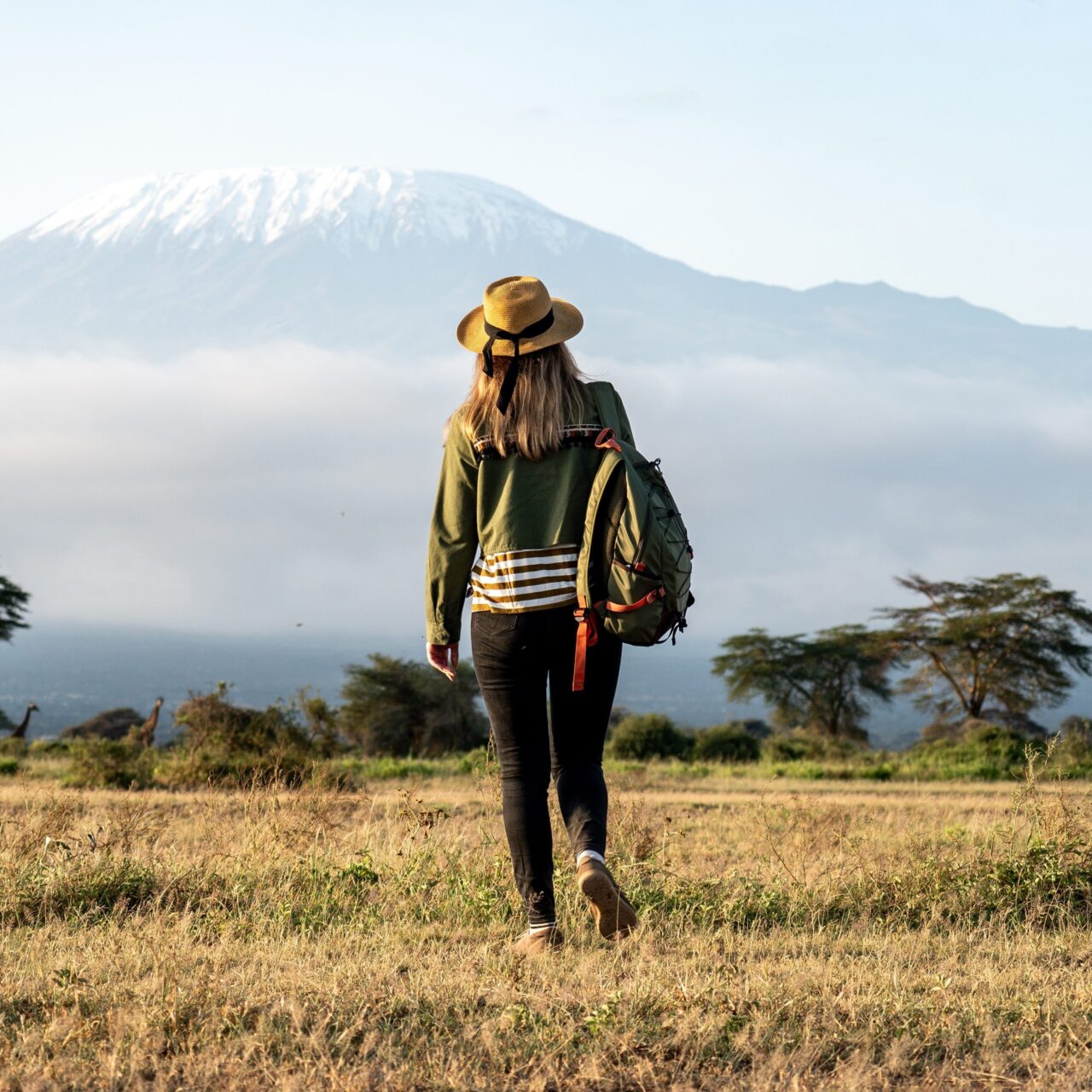
- Lightweight Shirts, skirts & Pants – Opt for breathable fabrics like cotton, linen or moisture-wicking materials. A good cotton long-sleeve is a great option to throw over to protect against the sun and wind when out on a boat or game drive. We recommend sticking to neutrals and earth tones for a couple reasons. Firstly, some bright colours can attract insects, as is the case with light blue and tsetse flies. Secondly, blending in with your surroundings is less likely to startle game and lastly, it doesn’t show dust as much!
- Warm Layers – Early mornings and evenings can be chilly, especially in more arid regions such as Namibia and the Central Kalahari – where temperatures vary dramatically from day to night. We recommend a packable fleece or puffer jacket that can be easily stuffed into small spaces
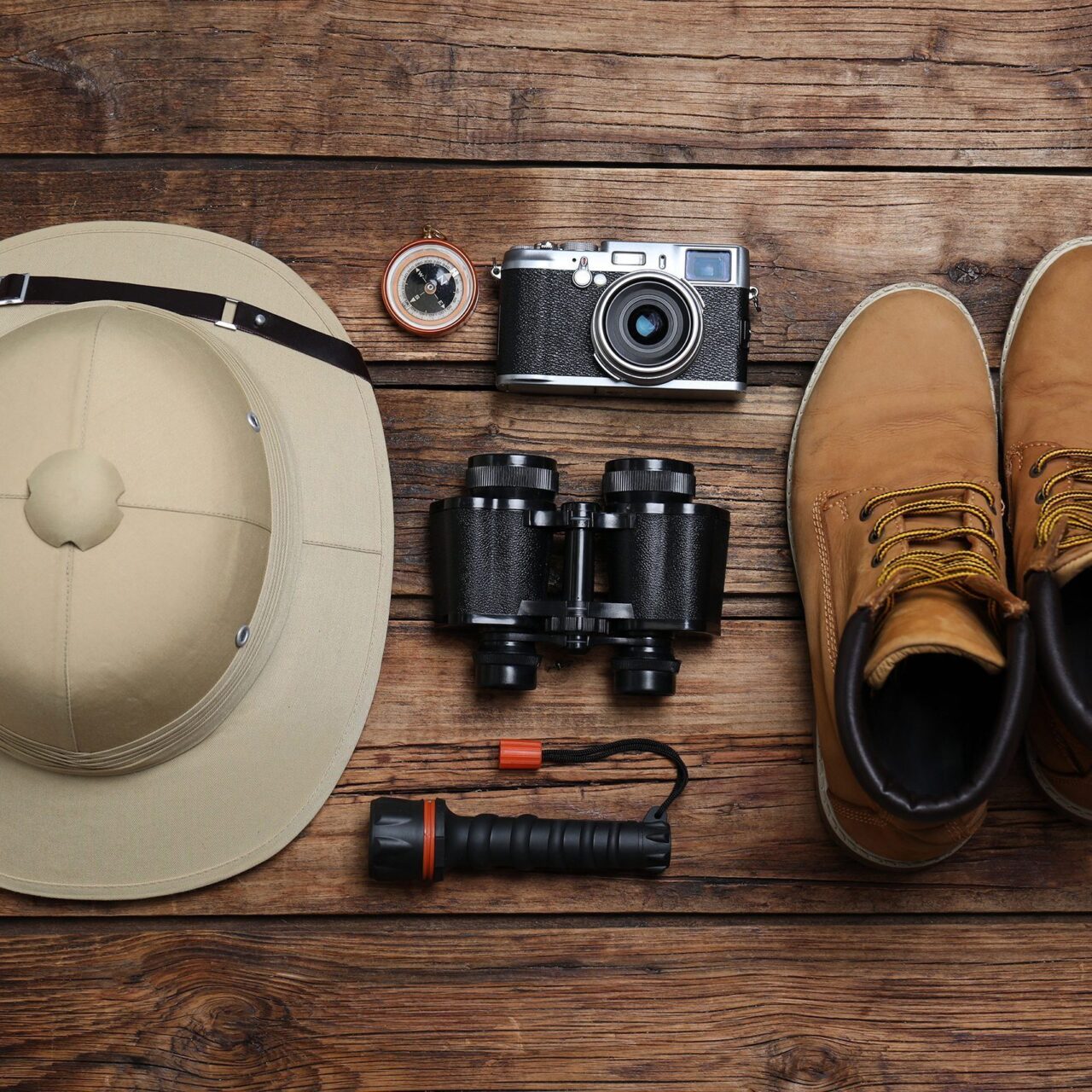
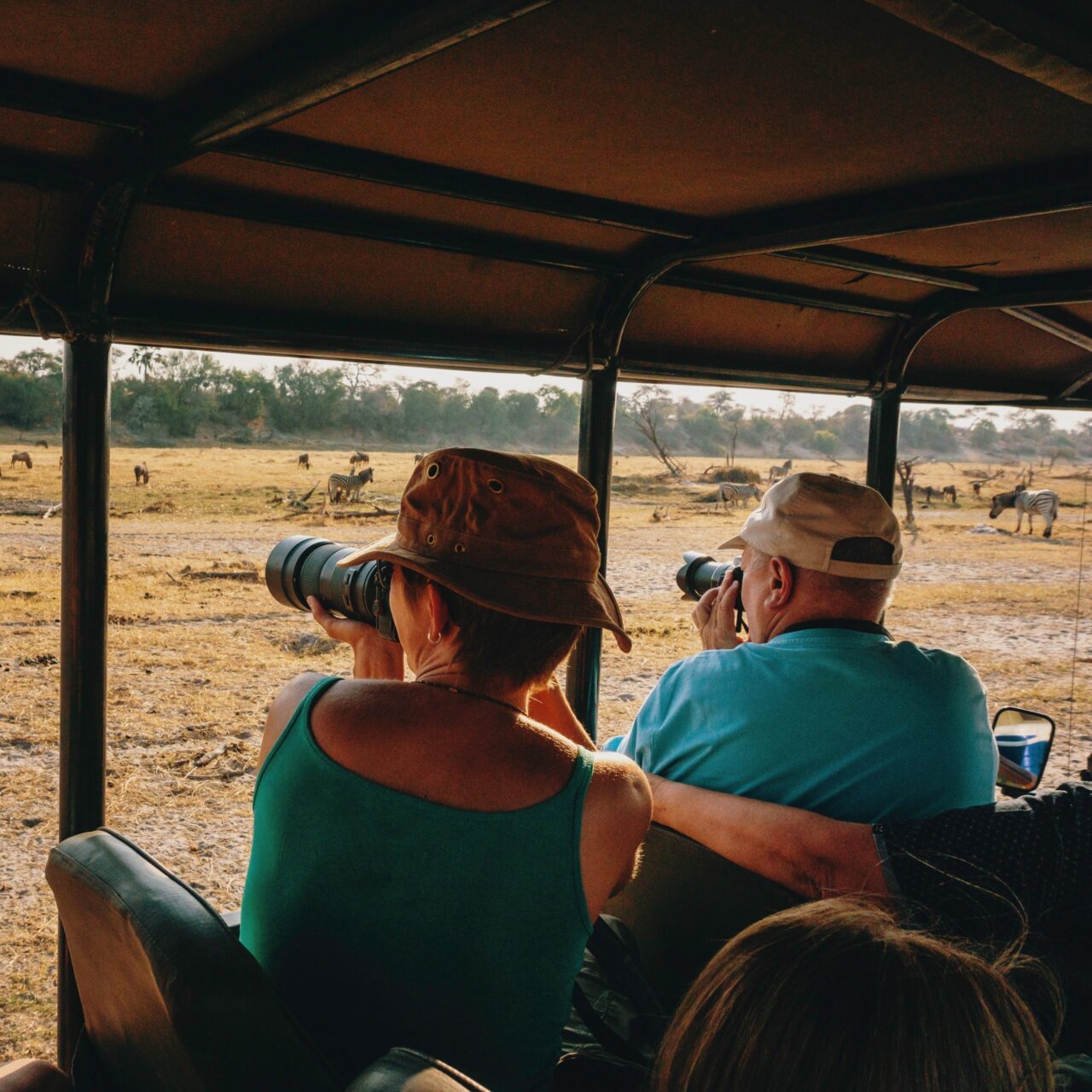
- Hat & Sunglasses – A wide-brimmed hat provides sun protection and is preferable over a cap which leaves your neck and ears exposed. Sunglasses are another essential when out and about in the evening or walking around on bright sunny days.
- Comfortable Footwear – Sturdy walking shoes or hiking boots are ideal for game drives and walking safaris. Pack a pair of sandals for relaxing at your lodge.
- Swimwear – Many lodges have pools, so bring your swimwear!
- Long Layers – One of the best tricks for avoiding annoying mosquitos is to pull on a pair of longs, socks and put on a long top as dusk settles, when they become active. Spray as well, particularly on your exposed knuckles, and wrists.
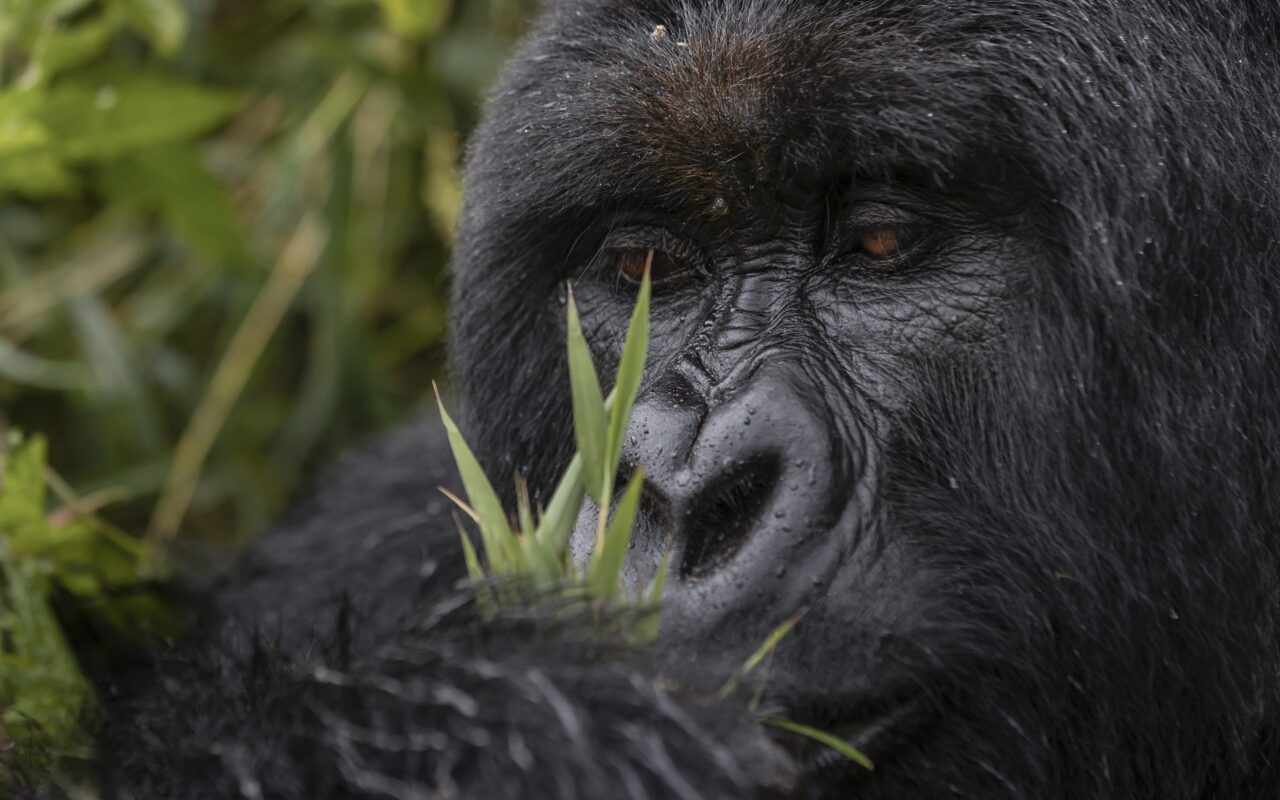
- Waterproof Gear (where needed) – If you are looking to go gorilla trekking or explore a destination on the shoulder months of the rainy season, a rainproof jacket and shoes are a must.
2. Essential accessories for a Safari Holiday
Here’s what essentials to pack that are necessary and won’t clutter up your space.
Must-Have Accessories
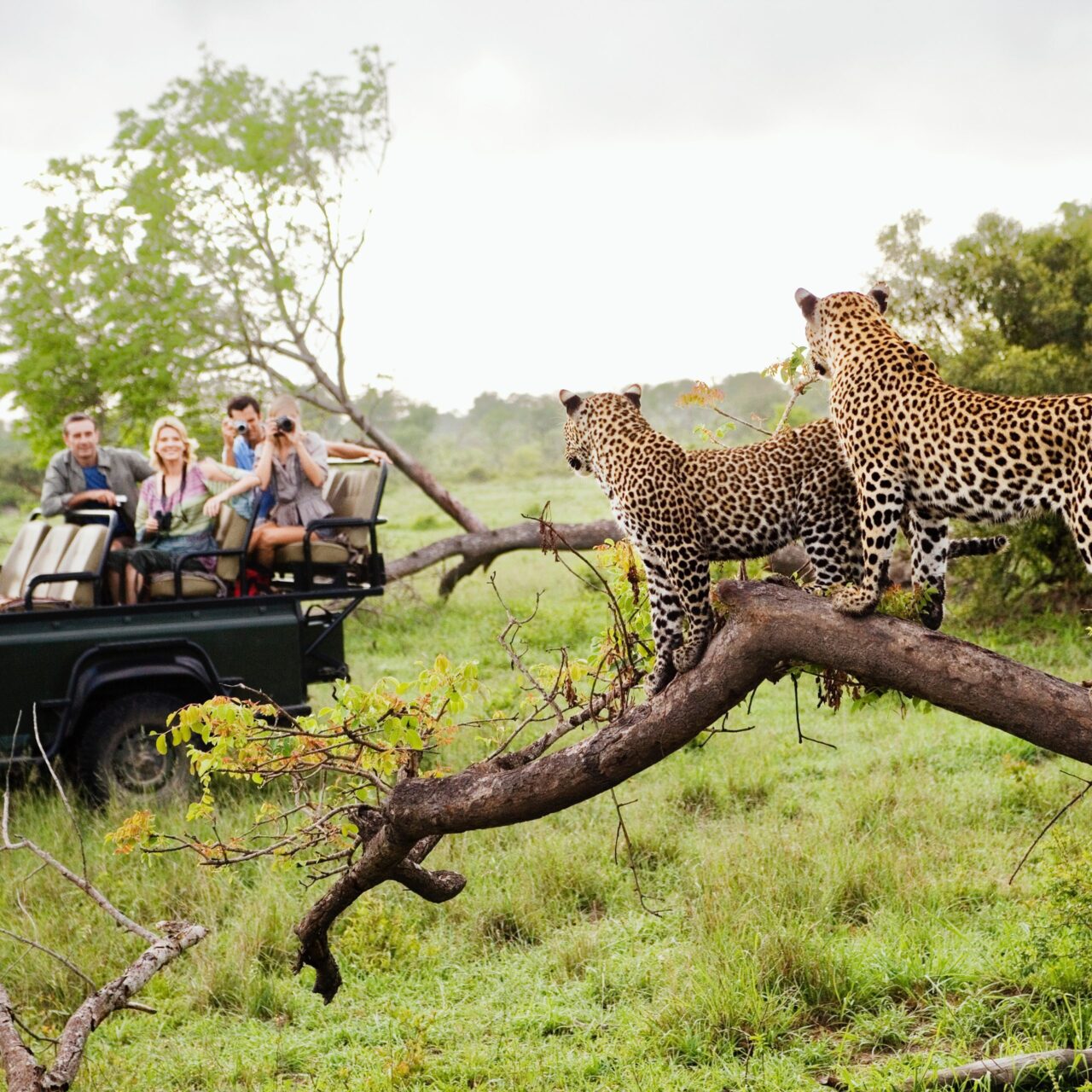
- Binoculars – Essential for spotting wildlife from a distance.
- Camera – Capture your safari memories with a good-quality camera. Don’t forget extra memory cards and your charger
- Insect Repellent – Protect yourself from mosquitoes and other insects.
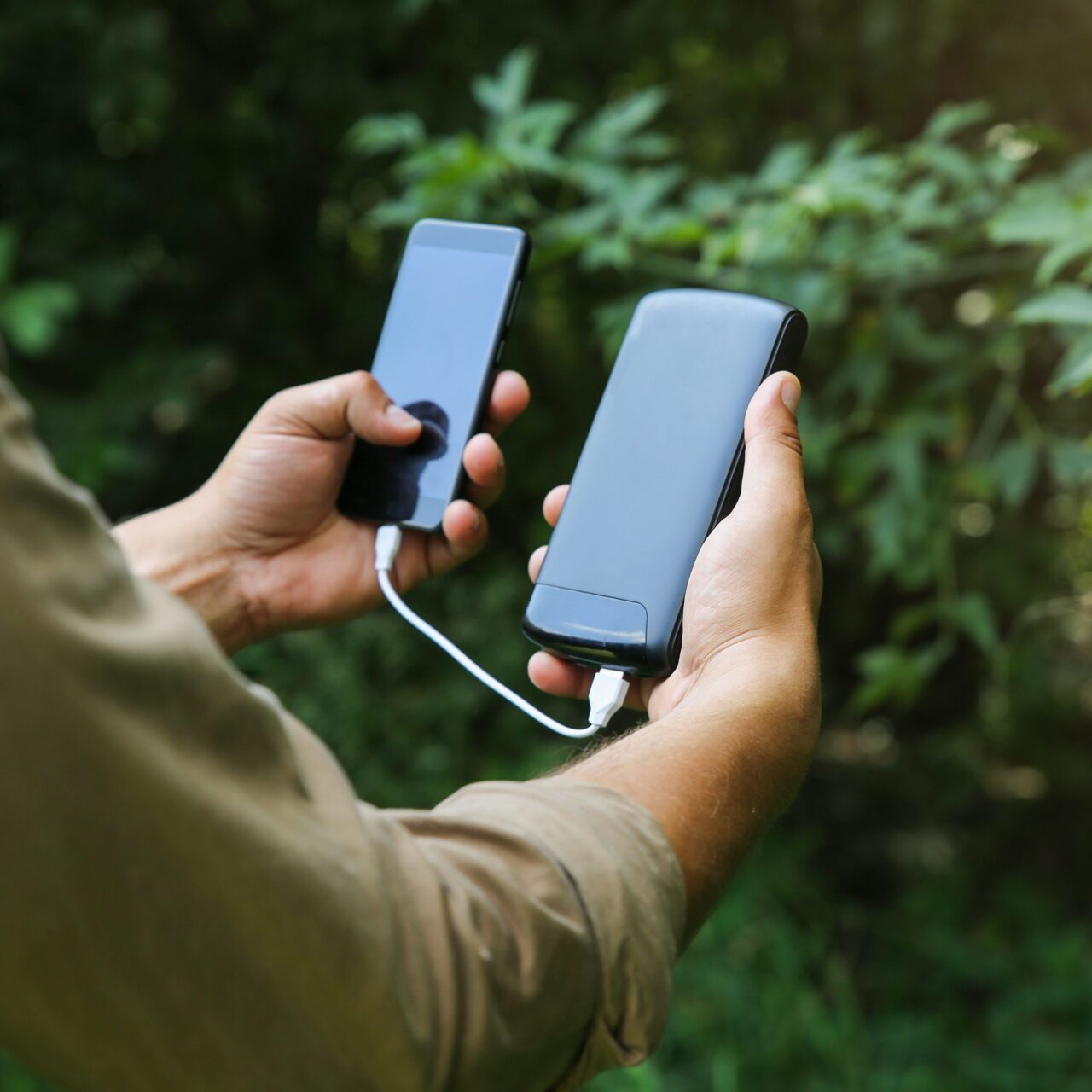
- Power Bank – Helpful if you’re on the move a lot or going to more remote locations.
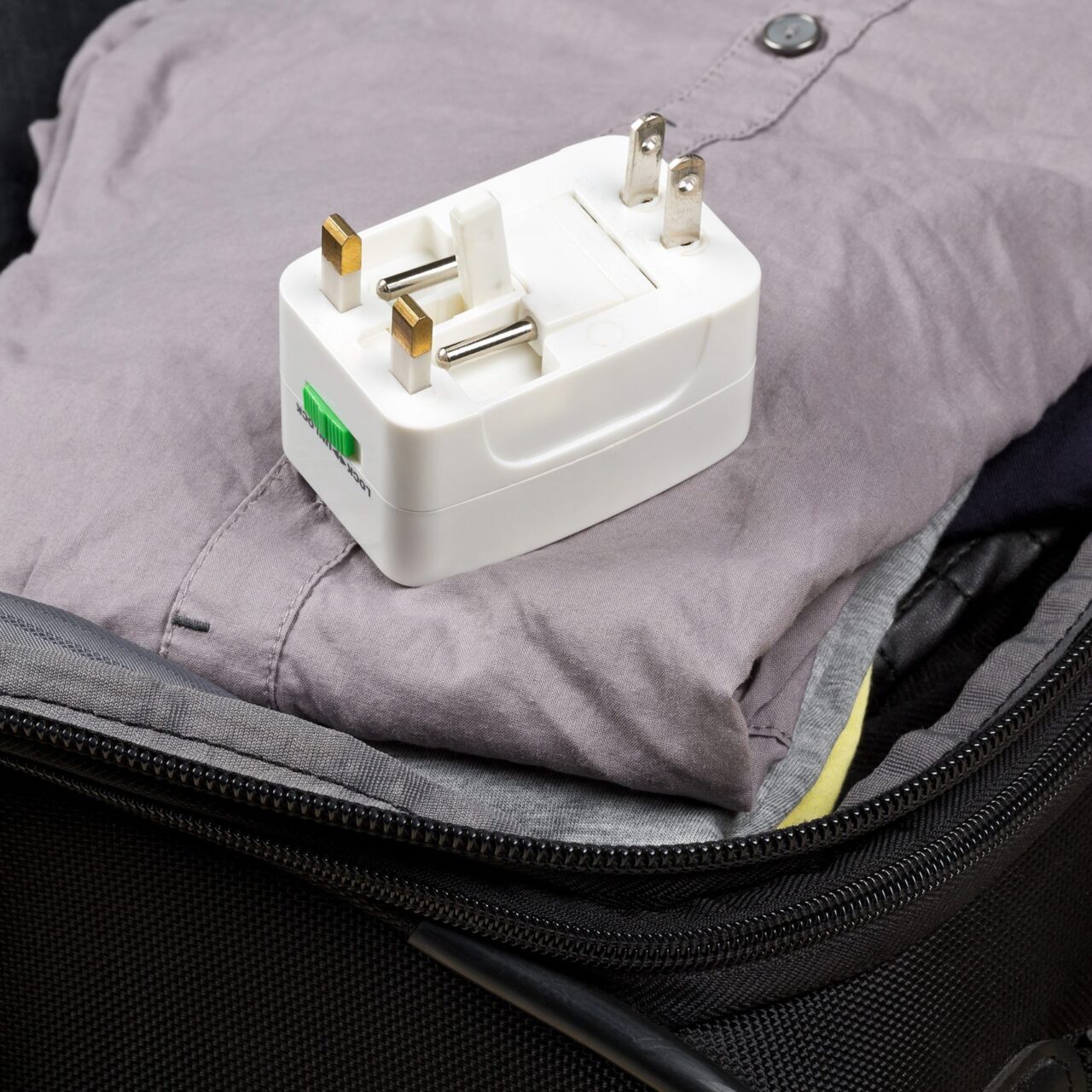
- Universal Adapter – Plug types can vary across destinations. However, we will give you a destination specific breakdown with your itinerary.
- A Kikoi – The Swahili word for ‘wrap’, this is traditionally a lovely printed piece of cotton. However, any shawl or light throw is arguably an essential addition to any safari packing list and is universally useful to cover your camera or face from dust, throw over your shoulders on a sunny day, a beach cover-up or a wrap for dirty clothes at the end of a trip. You can often grab one on arrival, making for a lovely souvenir.
- Packing Cubes – A safari often features multiple destinations, so when you’re moving around a lot packing cubes are a great time-saving hack to keep outfits and laundry separated, then just to chuck in your bag and head out the door.
Optional Extras
- Reusable Water Bottle – almost all camps will provide refreshments on activities, so this is arguably more for the long-haul flight over.
- Travel Journal or Logbook – writing down a line a day is a wonderful way to preserve the little details of your trip, from a particularly excellent boma dinner to sighting your first family of wild dogs – there’s something very special about taking the time to record your travels.
- Destination-specific Flora & Fauna Guides – many lodges and camps will have these in-house, however, it can be nice to tick off which wildlife you spot as you go!
3. Do I need health and safety equipment for a Safari holiday?
Yes, you will need some health and safety kit for your safari, but it’s much easier to get these sorted out ahead of your travel. Despite what many think, a safari is a perfectly safe holiday for all ages. Here’s a handy checklist to make sure you’re at the top of your game.
Safari Health and Safety Essentials
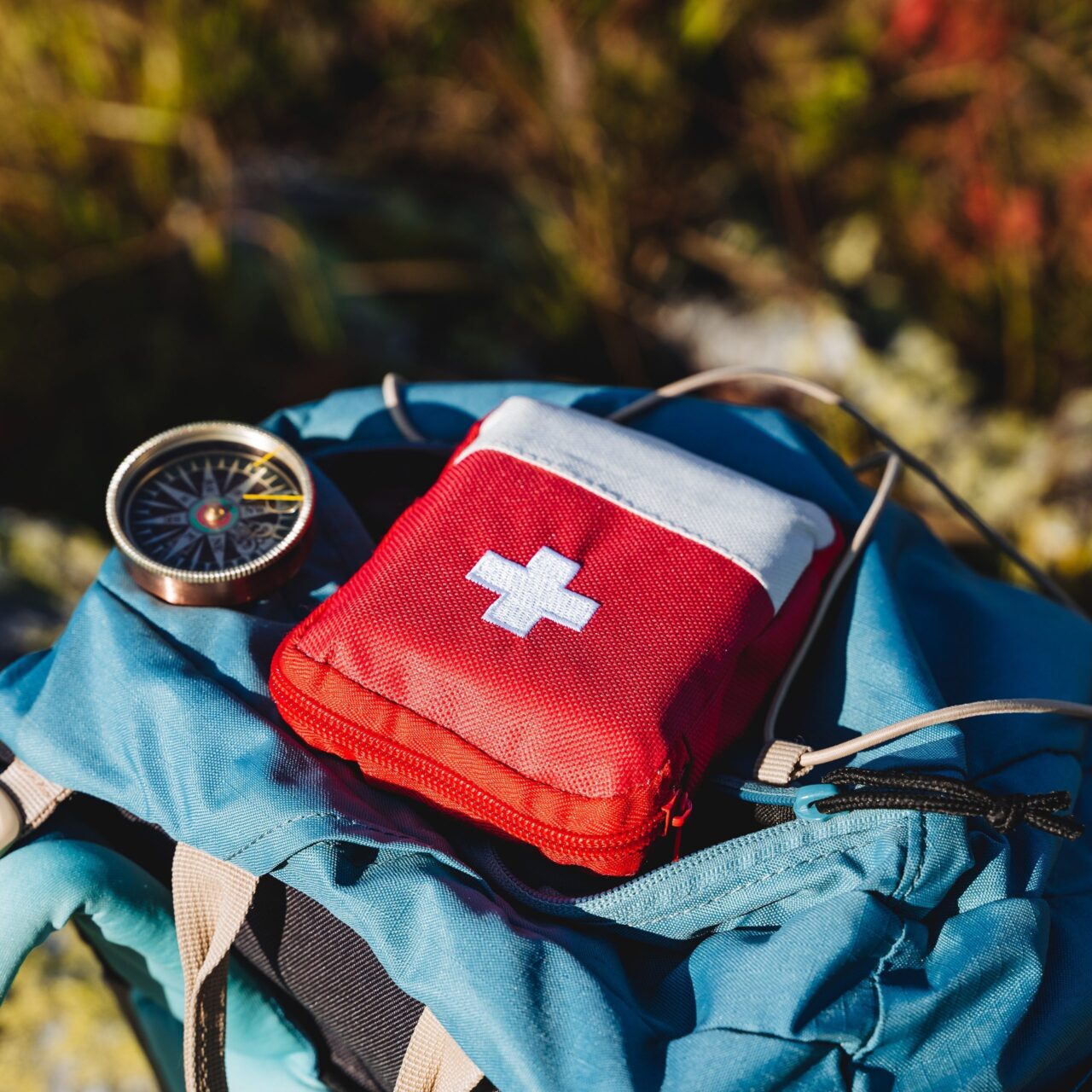
- First Aid Kit – Include band-aids, antiseptic wipes, pain relievers, and any personal medications.
- Sun Protection – High SPF sunscreen and a wide-brim hat is vital for protecting your skin from the strong African sun. Sunglasses are also a must.
- Malaria Prophylaxis – Consult your doctor about malaria prevention if you’re travelling to a malaria-prone area, this should be done well in advance of your travel date.
- Hand Sanitizer (wet wipes & immune boosters) – Useful for maintaining hygiene on the go and avoiding any flu from air travel.
- Yellow Fever Vaccination (if necessary) – A yellow fever vaccination is only necessary in some regions of Africa and is easily obtained at a travel clinic or likely, your GP. Make sure to get it well in advance, a few weeks, of travel as it can make you feel a little off colour for a day or so.
- Prescription Medication – Make sure to pack enough of any specific prescription medication you might need for the entire duration of your trip.
- General Vaccinations – Like with any international travel, it is recommended to have all your basic vaccinations such as tetanus, flu, MMR, etc. up to date. All of which can be done at your GP or a travel clinic before you travel.
4. What documentation do I need for an African Safari?
Proper documentation is crucial for a smooth safari experience, or any travel experience really. Here’s what to pack to avoid any mishaps.
Important Documents
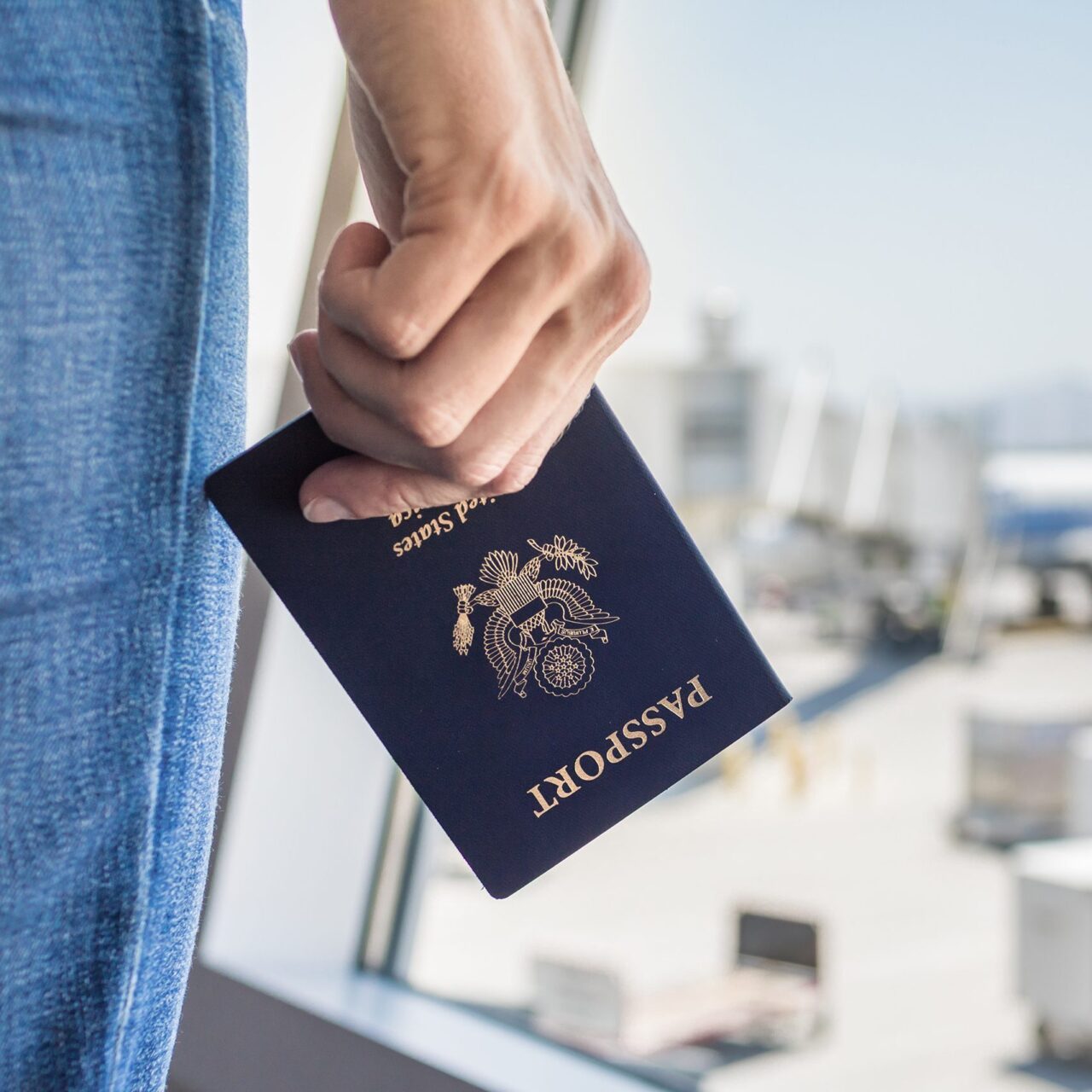
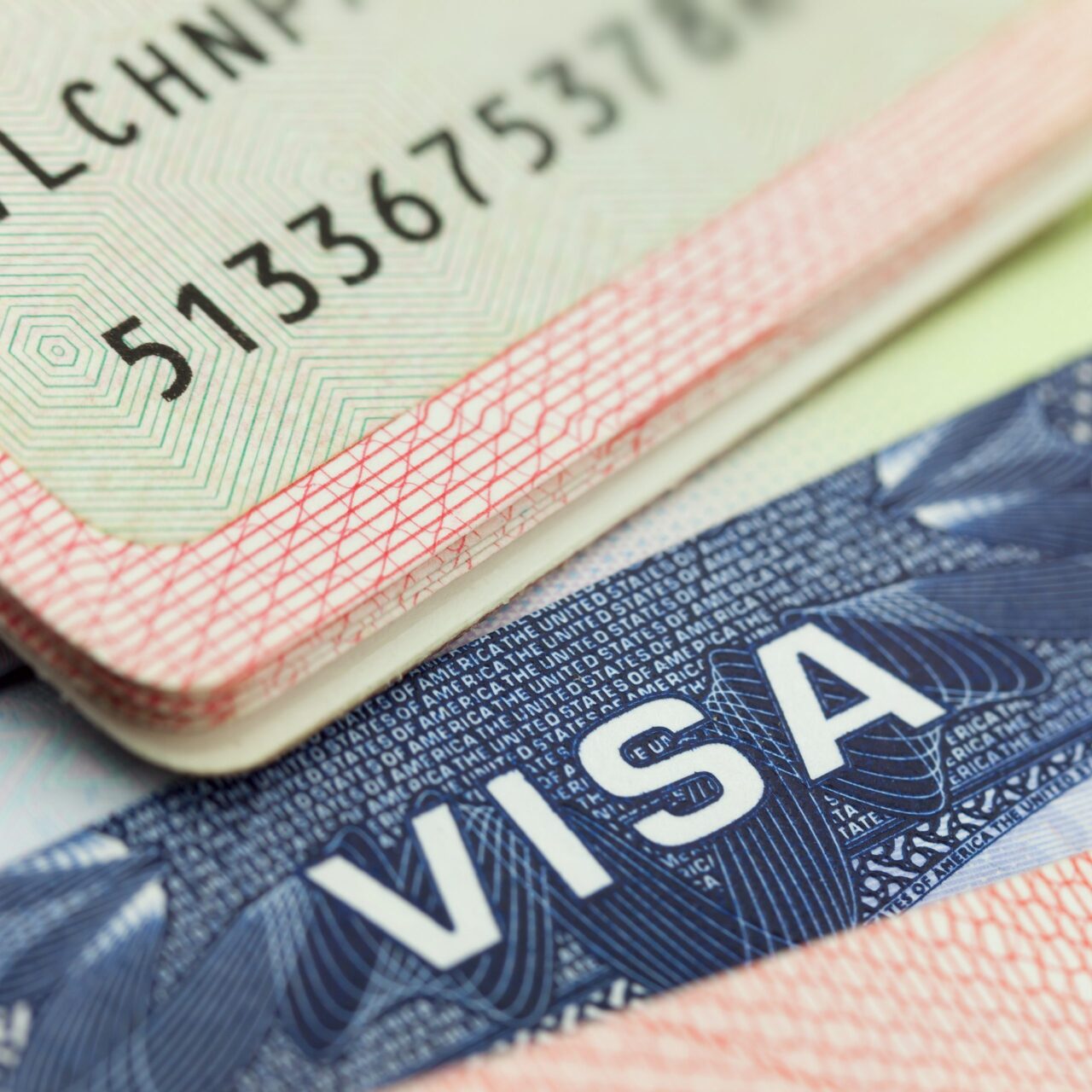
- Passport & Visas – Ensure your passport is valid for at least 6 months from the date of your departure from your trip and 2 fully blank passport pages are available. If you are travelling on a European, UK or American passport most African countries will either require you to buy a visa upon entry – such is the case with Zimbabwe and Tanzania – or apply for the visa before you arrive – like in Kenya – or will entry for up to 3 months – as with South Africa and Botswana. If you have a passport from another part of the world, you may be required to obtain a visa electronically or pay upon entry. Regardless, when you book with us we will map out the exact visa requirements you need based on your passport and travel dates, so the whole process is included in your travel plan before you even leave.
- Certified Copies Of Important Documents – Best tucked away in a separate bag, these are helpful if you misplace any documents.
- Travel Insurance – Protect yourself against unexpected events with comprehensive travel insurance, this should also include any emergency medical cover.
- Vaccination Certificates – Some countries require proof of vaccinations, such as yellow fever.
Do I need vaccinations for an African Safari?
Yes, like with any international travel, it is recommended to have all your basic vaccinations such as tetanus, flu, MMR, etc. up to date. All of which can be done at your GP or a travel clinic before you travel.
5. What is the best tech gear to take on an African Safari?
While a safari is a great opportunity to disconnect, having the right tech gear can enhance your experience.
Essential Tech Gear
- Smartphone & Charger – For communication and taking quick photos.
- Camera – This will be one holiday you will definitely want to capture high quality images on.
- Power Bank – Keep your devices charged during long game drives.
- Adapters & Converters – Ensure you can charge your devices in the local power outlets.
- An Airtag – this is always a handy addition to pop in your handbag or luggage.
6. What is the best luggage for an African Safari?
The type of luggage you bring can impact your safari experience. Most small aircraft charter flights between camps have a strict weight limit of around 15kg in a soft shell bag and one small piece of hand luggage. There may be differentiations based on locations, so do just check with us before you travel. Here’s how to choose the perfect safari bag.
Luggage Tips
- Soft-Sided Duffel Bag – Preferred for its flexibility and ease of storage in safari vehicles.
- Daypack – A small backpack for daily essentials during game drives.
- Lockable Luggage – If you’re checking bags in, we recommend a baggage strap, logs or wrapping your bags when you travel.
7. Are there any extras I will need for an African Safari Tour?
There are a few extra items that can make your safari even more enjoyable.
Useful Extras
- Snacks – Bring some of your favourite snacks for long game drives.
- A Cooling Towel – These are great if you’re going to be out doing activities, just wet and wring excess water to keep your core temperature cool (just until you acclimate to the African heat).
- Moisturiser & Lip Balm – Many people underestimate just how dry the winter months can be, a small tube of moisturiser is great when on a game drive or out and about to make sure you stay comfortable.
- A Good Book – There will be downtime, so make sure to download your favourite podcast or bring along a book or Kindle.
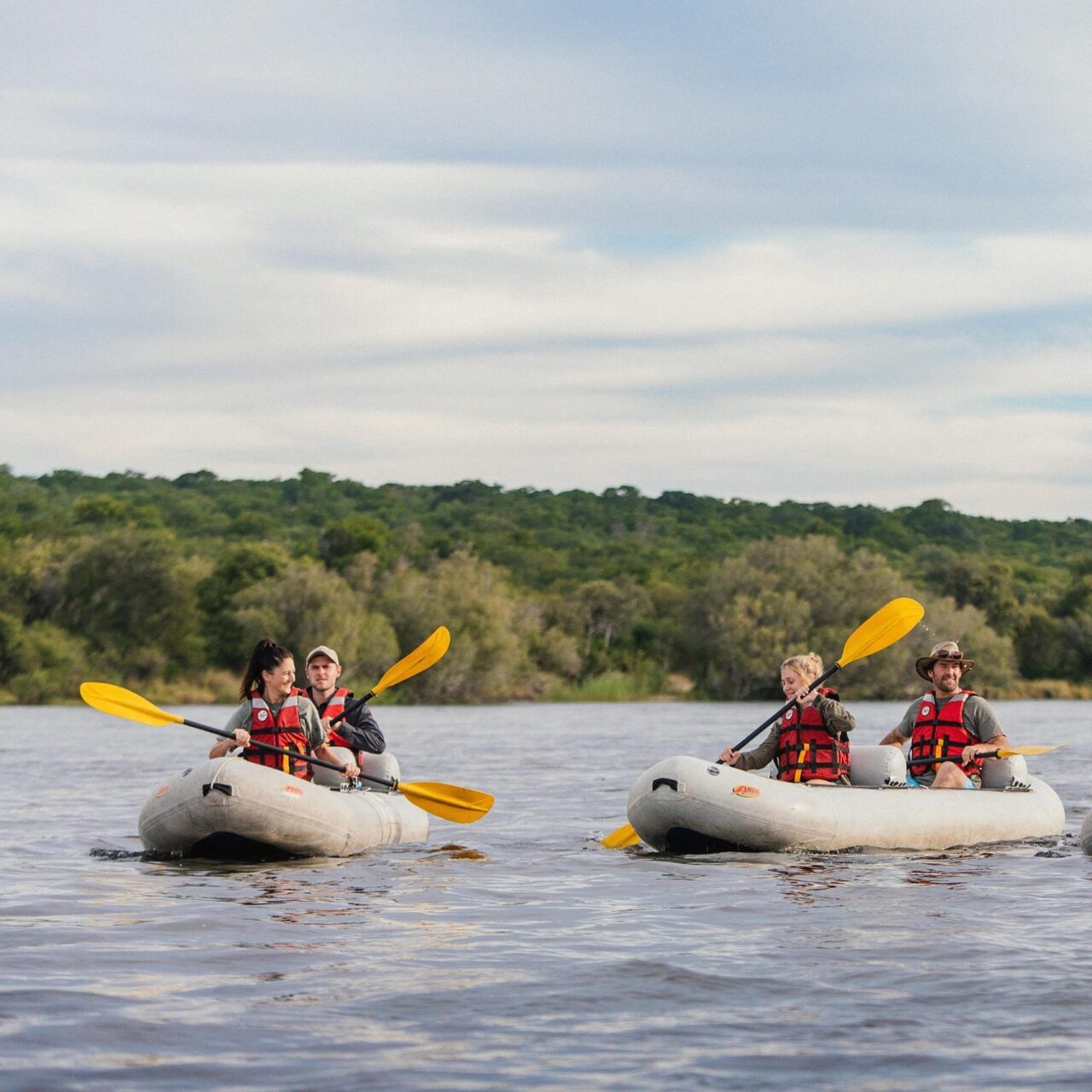
- Specialist Gear – For cycling, riding safaris or hiking.
- And a decent amount of extra space for fun souvenirs.
Preparing for an African Safari
At the end of the day, a safari doesn’t require nearly as much preparation as one might think. The trick is always to just get the essentials right and then make sure to kick back, relax and embrace the easiness and hospitality of Africa. By following this comprehensive guide on what to pack on safari in South Africa, Kenya, or Tanzania, you’ll be well-prepared for your adventure. Remember, the key is to pack light, practical, and versatile items that suit the unique conditions of an African safari.
For more tips on what to pack on safari and to start planning your perfect safari adventure, follow our blog for the latest updates and travel advice.
Safari Packing Essentials: At a Glance
Planning what to pack can feel daunting, but it doesn’t need to be! This quick checklist covers the absolute essentials discussed in our detailed guide above. Remember, packing light and smart is key, especially with internal flight luggage restrictions.
Clothing:
- Layers are Key: Pack lightweight t-shirts and long-sleeved shirts for versatility.
- Neutral Colours: Opt for khaki, beige, stone, green, or grey to blend in and deter insects. Avoid white, black, brights, and camouflage.
- Warm Layer: A fleece, jumper, or light insulated jacket is crucial for cool mornings and evenings.
- Bottoms: Comfortable shorts and lightweight trousers (convertible trousers can be useful).
- Outerwear: A light, packable waterproof/windproof jacket can be useful, depending on the season.
- Other: Comfortable sleepwear, swimwear (if your lodges have pools).
Footwear:
- Main Shoes: Comfortable, closed-toe walking shoes (like trainers or lightweight hiking/trail shoes – ensure they’re broken in).
- Camp Shoes: Sandals, flip-flops, or other casual shoes for relaxing at the lodge/camp.
Health & Toiletries:
- Medications: ALL personal prescription medications (carry prescription copies).
- First-Aid Basics: Plasters, antiseptic wipes, pain relief (paracetamol/ibuprofen), antihistamine cream/tablets, rehydration salts.
- Protection: High-factor sunscreen (SPF 30-50+), effective insect repellent (check suitability for malaria areas if applicable), after-sun lotion.
- Personal Items: Your usual toiletries, ideally travel-sized to save space and weight. Lip balm with SPF.
Gear & Optics:
- Binoculars: Essential for every traveller to get the most out of sightings! (Ideally one pair per person).
- Camera: Camera body, lenses (zoom recommended), extra batteries, memory cards, charger.
- Electronics: Phone, chargers, power bank (optional but useful), universal travel adaptor.
- Lighting: Headlamp or small torch for navigating camps at night.
- Other: Sunglasses, wide-brimmed hat, reusable water bottle.
Documents & Money:
- Passport: Valid for at least 6 months beyond your stay, with sufficient blank pages.
- Visas: Check requirements for your nationality and destination(s) well in advance.
- Tickets/Itinerary: Flight details, booking confirmations (digital and/or paper copies).
- Insurance: Comprehensive travel insurance documents (policy number, emergency contact details).
- Health Docs: Vaccination certificates (e.g., Yellow Fever) if required for entry.
- Money: Credit/debit cards and some cash (USD often useful for tips/visas, plus some local currency).
Luggage:
- Main Bag: Soft-sided duffel bag or holdall (no hard shells or wheels/frames for light aircraft).
- Weight Limit: Strictly adhere to airline limits (often 15-20kg total per person, including hand luggage).
- Daypack: Small backpack for essentials on game drives (camera, water, sunscreen, layers).
This checklist provides a quick overview. For detailed explanations, specific recommendations, and advice tailored to different safari types and seasons, please refer to the full guide above or get in contact with us.