
Your Ultimate Guide to Safari Vacations in 2026
Planning a safari is an undertaking unlike any other. It’s an investment in an experience that transcends the ordinary, a journey into the heart of the wild that stays with you long after you’ve returned home. For those envisioning their dream African adventure in 2026, the time to begin shaping that reality is now.
At The Safari Edit, we understand the nuances involved in curating truly exceptional safari vacations. Our first-hand experience across Africa has taught us that while the thrill of encountering wildlife remains constant, the elements that craft a seamless, luxurious, and unforgettable journey require meticulous planning and expert insight. This guide will walk you through everything you need to know about planning your safari for 2026, ensuring every detail is considered.
Why Plan Your Safari for 2026 Now?
You might wonder why it’s beneficial to think about 2026 so far in advance. The truth is, securing the finest safari experiences, especially those in exclusive locations or during peak migration periods, often requires forward planning.
By beginning your arrangements early, you’re not just securing a spot; you’re gaining access to a wider selection of premier lodges, securing preferred guides, and often benefiting from more favourable rates. This proactive approach ensures you can craft a truly bespoke itinerary that aligns perfectly with your vision, without compromise. It means you can tailor everything, from the pace of your days to the specific wildlife encounters you hope for, long before availability becomes a concern.


Kenya: Classic Safari Experiences in 2026
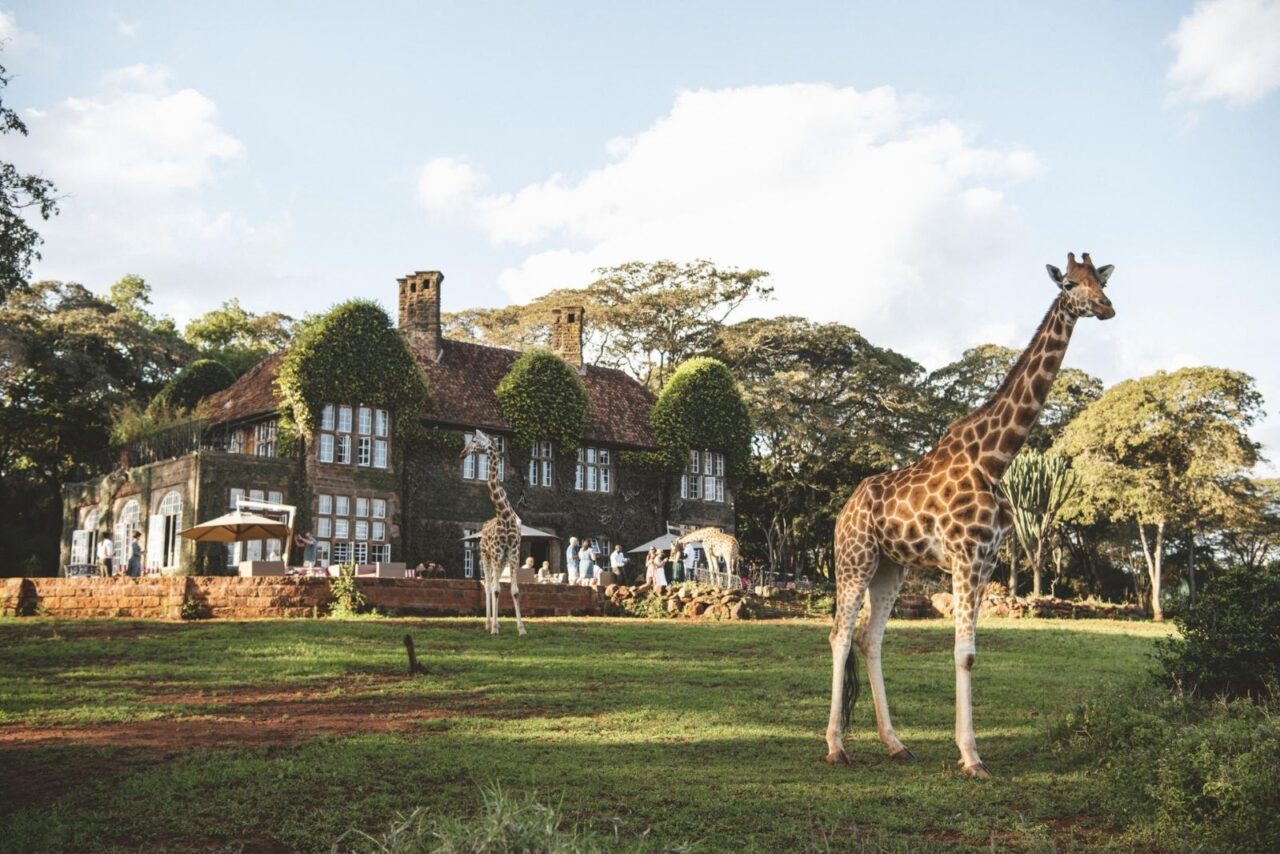
Kenya is where the safari dream truly began, and for good reason. Its vast plains and iconic wildlife concentrations offer that quintessential African landscape.
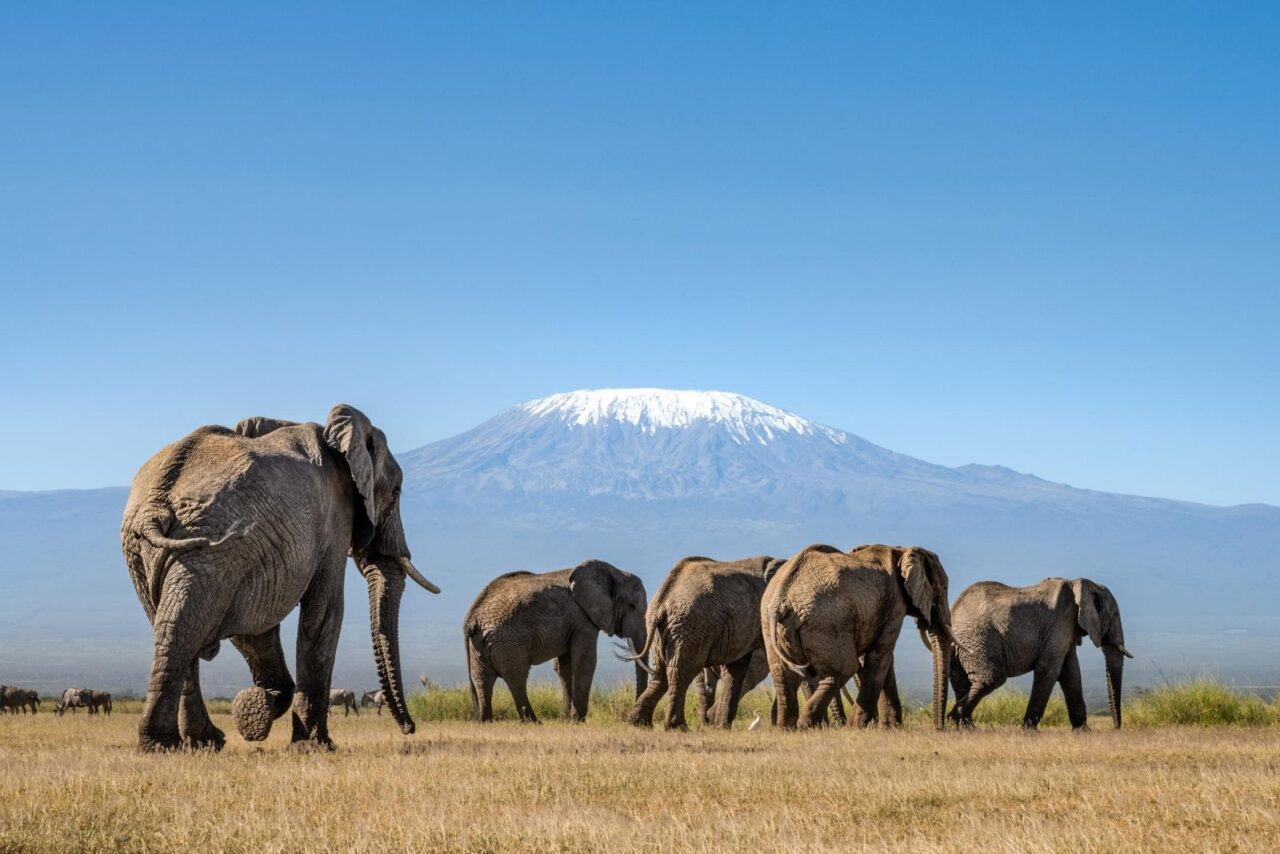
- Best Parks: The Maasai Mara National Reserve is undoubtedly the jewel, especially if you’re aiming to witness the Great Migration. Amboseli National Park, with its sweeping views of Mount Kilimanjaro, offers incredible elephant sightings. For a more exclusive experience, consider conservancies bordering the Mara.
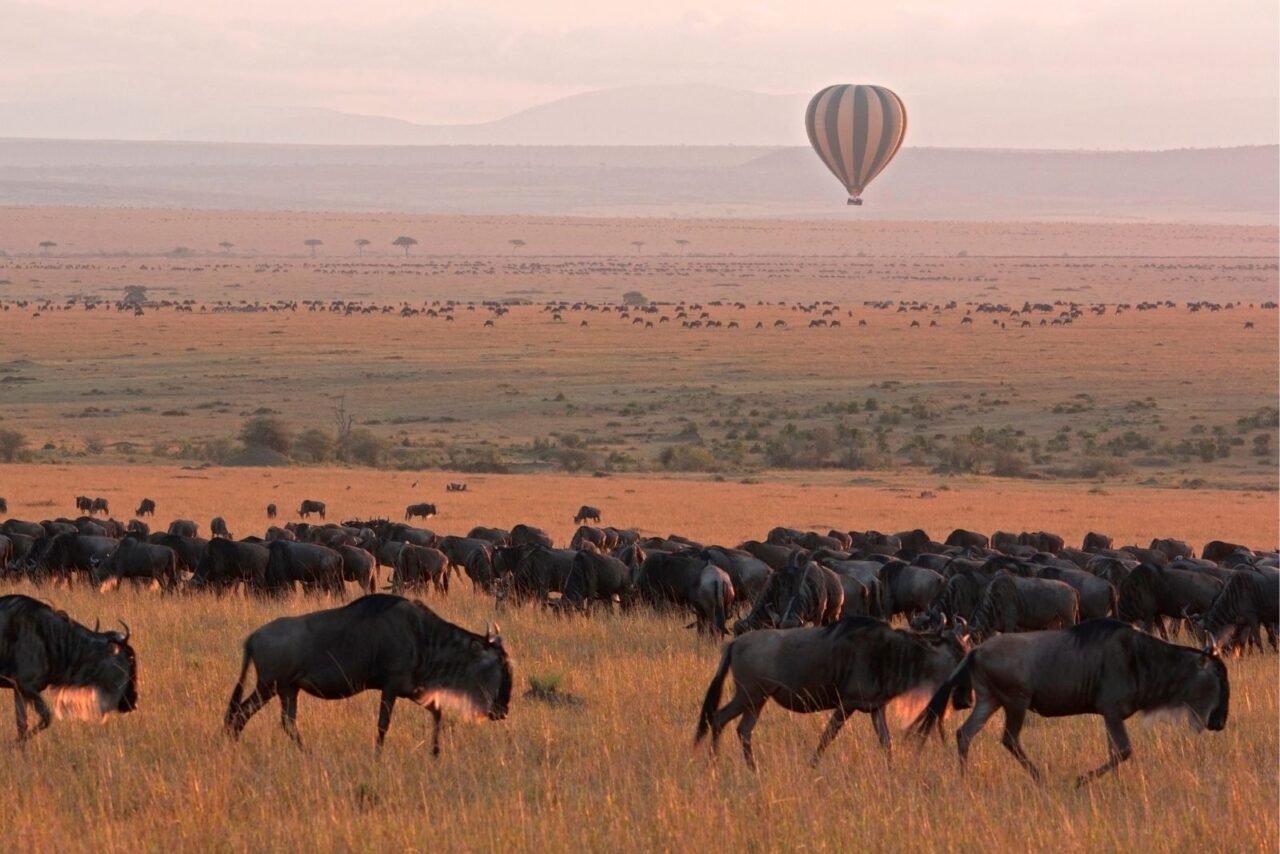
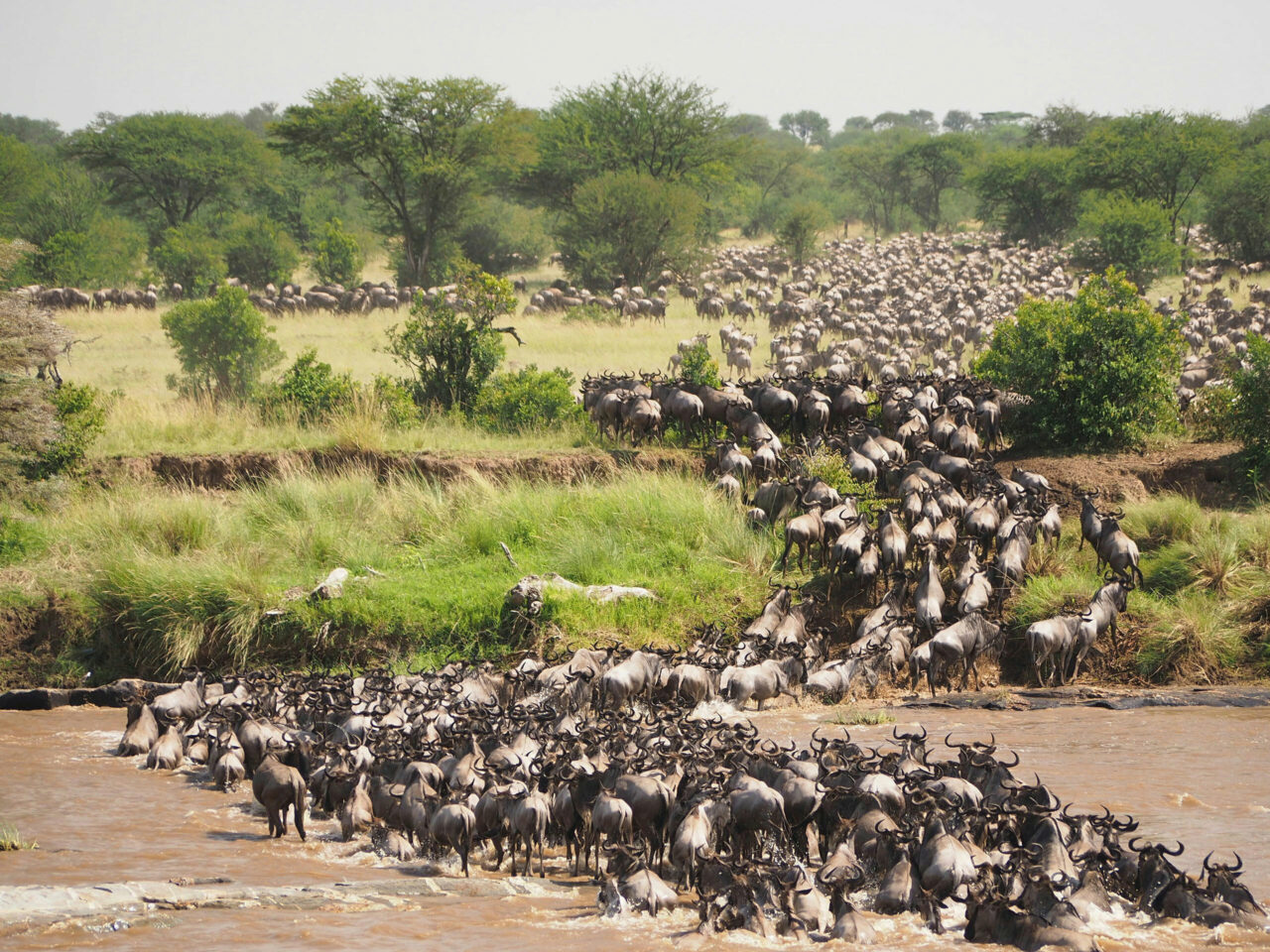
- Great Migration: While the exact timing is dictated by rainfall, the peak crossings of the Mara River typically occur between July and October. For 2026, we’ll be closely monitoring patterns to advise on the prime windows.
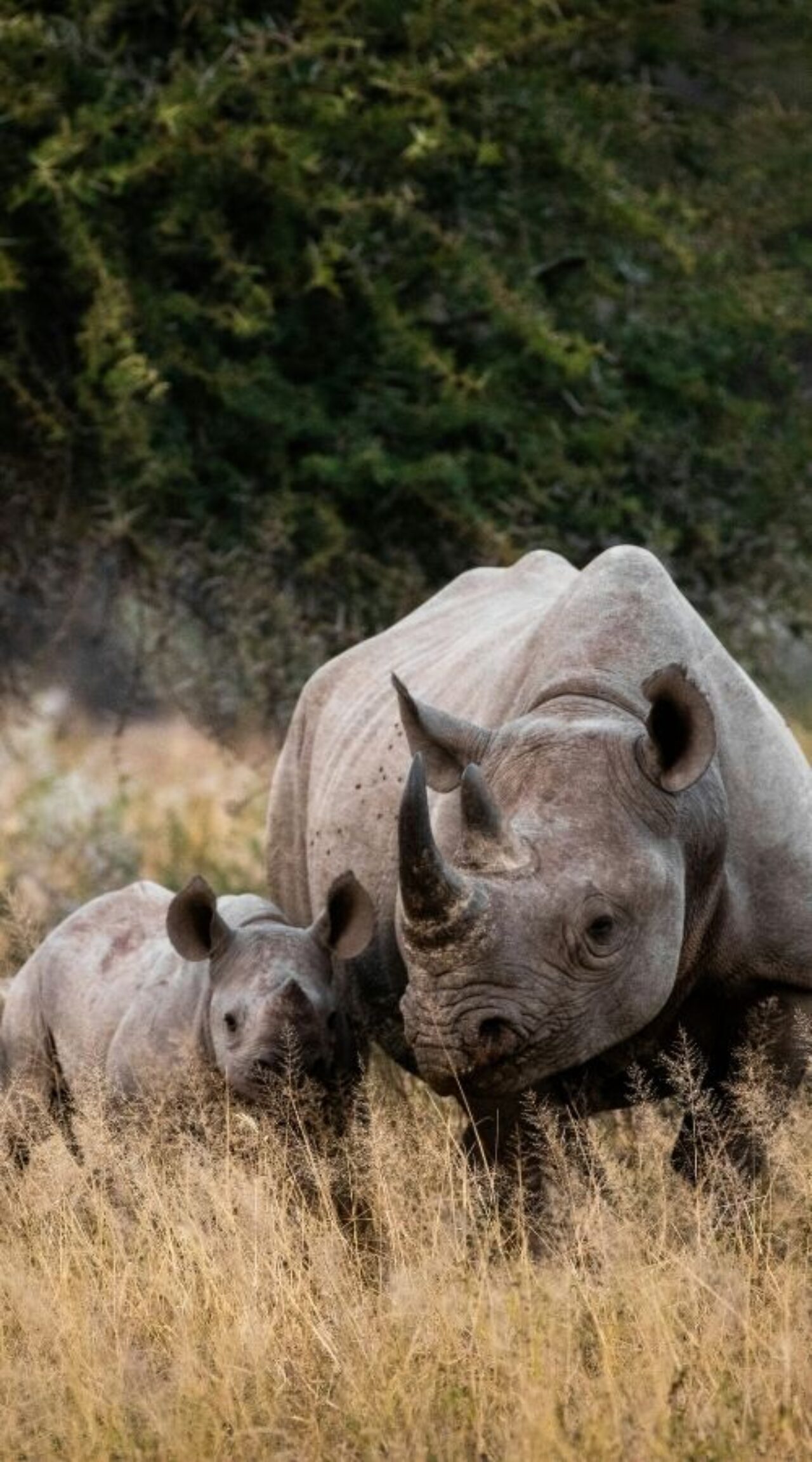
Sample 2026 Itineraries: Imagine a week combining the sweeping plains of the Mara with the unique rhino conservation efforts in Ol Pejeta, perhaps ending with a tranquil lakeside retreat.
Tanzania: Unforgettable Wildlife Encounters in 2026
Tanzania boasts some of Africa’s most legendary parks, offering immense natural beauty and incredible wildlife spectacles.
- Serengeti National Park: Home to the Great Migration for much of the year, the Serengeti’s endless plains are captivating.
- Ngorongoro Crater: A natural wonder, this caldera is a microcosm of East African wildlife, guaranteeing exceptional sightings within its natural amphitheatre.
- Migration Timing: The migration moves clockwise through the Serengeti and Ngorongoro ecosystems. The calving season (January-March) in the Southern Serengeti is particularly special for 2026 visitors, while river crossings in the north are generally July-October.
- 2026 Travel Tips: Combine the larger, well-known parks with smaller, more intimate reserves like Tarangire or Ruaha for a varied perspective.
South Africa: Diverse Landscapes and Refined Safaris in 2026
South Africa offers a blend of world-class safaris, sophisticated cities, and stunning coastlines.
- Kruger National Park & Private Reserves: The Kruger is synonymous with classic safari, but the adjacent private reserves (Sabi Sand, Timbavati) offer exclusive experiences, off-road tracking, and often guaranteed Big Five sightings.
- Unique Appeals for 2026: Combine a Kruger safari with the vibrant culture of Cape Town, the winelands, or the dramatic Garden Route for a multi-faceted vacation. It’s an ideal choice if you appreciate diverse experiences.
Planning Essentials for Your 2026 Safari
Beyond the excitement of choosing a destination, there are practical considerations that are vital for a seamless 2026 safari. We handle these details with the utmost care, but it’s helpful to be aware of them.
Best Time to Go on Safari in 2026 by Region
The ideal safari season largely depends on your chosen destination and your primary objectives (e.g., witnessing the Great Migration, birdwatching, or lush green seasons).
- East Africa (Kenya, Tanzania):
- Dry Season (June – October): Considered peak season. Wildlife congregates around water sources, making sightings easier. The Great Migration is often in full swing during these months. Weather is generally sunny and cool.
- Green Season (November – May): Less crowded, lush landscapes, excellent for birdwatching, and often lower rates. Short rains in November-December, long rains in March-May.
- Southern Africa (South Africa, Botswana, Zambia, Zimbabwe):
- Dry Season (May – October): Optimal for wildlife viewing as animals gather at waterholes and vegetation is sparse. Cooler temperatures, especially mornings and evenings.
Green Season (November – April): Birth of many young animals, beautiful scenery, abundant bird life, and often dramatic thunderstorms.
How Much Does a Safari Cost in 2026?
Safari costs vary significantly based on destination, duration, lodge luxury level, and the exclusivity of the experience. Generally, you can expect:
- Luxury Safaris: These typically range from $800-$2000+ per person per night, offering all-inclusive packages, exclusive concessions, and top-tier guiding.
- Mid-Range Safaris: More affordable options exist, often ranging from $400-$800 per person per night, with comfortable accommodations and excellent guiding.
- Budget Safaris: While The Safari Edit focuses on luxury, more budget-friendly options can start from $200-$400 per person per night, often involving larger group tours or mobile tented camps.
These figures are estimates for 2026 and can fluctuate. Our expert team will provide a tailored quote based on your specific desires.
Visa and Health Requirements for 2026 Safari Travel
Understanding the necessary documentation and health precautions is crucial for a smooth journey.
- Visas: Most African countries require visas for UK and US citizens. These can often be obtained online, on arrival, or in advance from the respective embassy. Requirements can change, so we’ll provide the latest information for your chosen destinations.
- Health: Consult your doctor well in advance of your 2026 departure for advice on vaccinations (e.g., Yellow Fever, Hepatitis, Tetanus) and malaria prophylaxis. Many safari areas are malaria zones. Personal insect repellent is always recommended.
- Travel Insurance: Comprehensive travel insurance, including medical evacuation, is non-negotiable for an African safari.
Choosing Your 2026 Safari Operator
Selecting the right partner for your 2026 safari is arguably the most critical decision. You’re entrusting them with a significant investment and an experience of a lifetime.
Look for an operator with genuine, recent, first-hand experience in the destinations they offer. They should listen to your specific desires and build a tailored itinerary, rather than offering off-the-shelf packages. Transparency in pricing, clear communication, and a strong emphasis on responsible tourism are also indicators of a reputable company.
At The Safari Edit, our foundation is built on years of managing prestigious lodges and exploring every corner of the African bush ourselves. We don’t just sell safaris; we live and breathe them, drawing on our intimate knowledge to craft journeys that resonate with your individual aspirations. Our commitment is to provide you with not just a vacation, but a profound and memorable African narrative.

Sign up to our newsletter for updates & announcements
Follow us on social
Connect with us for safari inspiration, advice and recommendations!